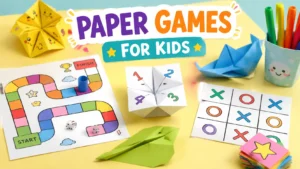

The importance of games in a child’s life cannot be overstated. Games are not simply a time-killing activity — they are one of the most powerful tools for learning, growing, and developing into a healthy, happy human being.
Whether a child is running through a playground, building a tower with blocks, or sitting down for a board game with family, every single game teaches something valuable. The importance of games for children spans across physical health, mental sharpness, emotional strength, and social skills.
In today’s world — where screens, school pressure, and packed schedules consume childhood — understanding the importance of games is more critical than ever. Games teach friendship, teamwork, creativity, and resilience. They are not a break from learning. They ARE learning.
Why the Importance of Games Goes Beyond Fun
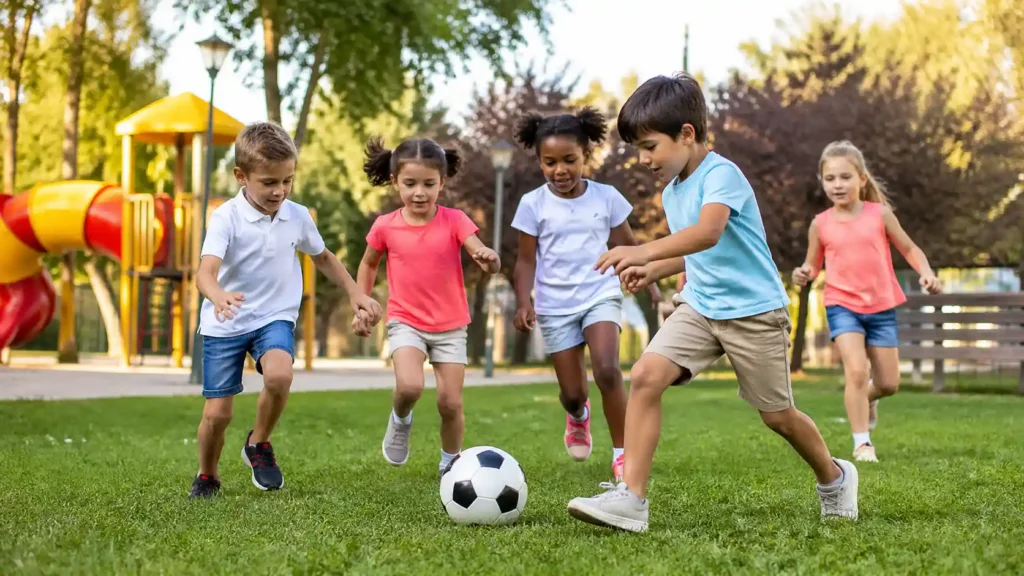
Most adults think of games as entertainment. But child development experts, pediatricians, and even the United Nations recognize the importance of games as essential to a child’s well-being — just as important as sleep, food, and education.
Here are the core reasons why the importance of games is backed by science:
- Games strengthen the body, mind, and emotional health together
- Games teach children how to handle winning and losing
- Games build teamwork, communication, and problem-solving
- Games reduce stress and anxiety in children
- Games make learning naturally enjoyable — without pressure
- Games help children form meaningful friendships
- Games develop self-confidence and independence
💡 “The importance of games is so strongly proven that the UN High Commission on Human Rights classifies free play as a fundamental right of every child.”
When children sit and listen, they retain only a fraction of information. But when they play — when they move, experiment, fail, and try again — they absorb lessons that last a lifetime. This is the true importance of games in our life.
Child development experts have frequently stated that children should play just like they should be able to sleep, eat, and have education. Play does not mean a halt to learning. Play is learning.
6 Key Areas Where the Importance of Games Shapes Child Development
The importance of games in child development is best understood across six core areas. Each one plays a critical role in shaping who your child becomes.
1. Physical Development
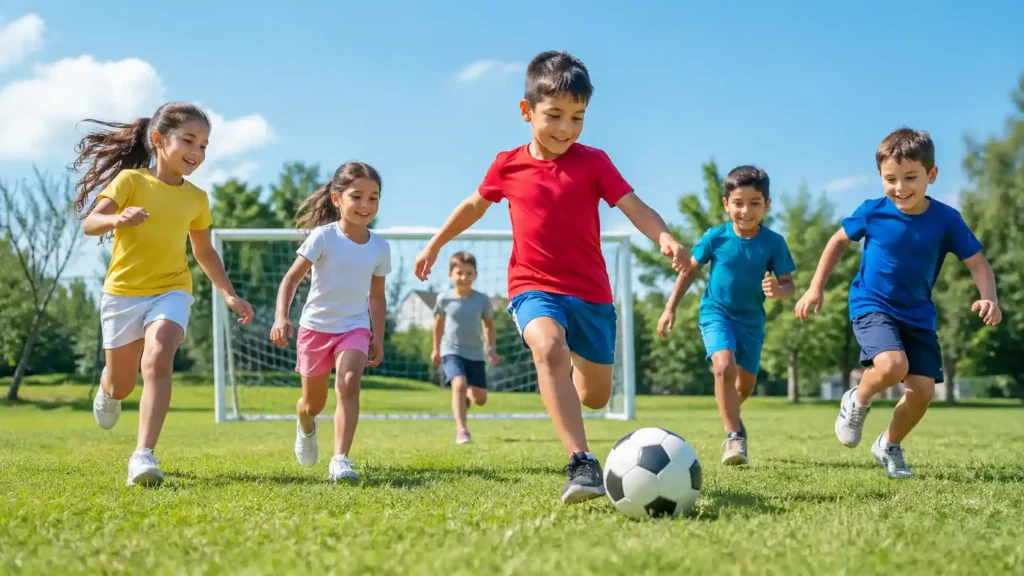
Outdoor games and sports are among the most direct ways to keep children physically healthy. Running, jumping, climbing, throwing, and balancing all help build strong, active bodies.
Children who play physical games regularly tend to develop better balance and coordination, stronger bones and muscles, improved flexibility, sharper hand-eye coordination, and higher energy levels overall.
Even basic games like skipping, cycling, or playing catch build foundational movement skills. Sports like football, basketball, cricket, and badminton build endurance and strength as children grow older.
The importance of games for physical health also reduces the risk of health issues tied to excessive screen time. Children who stay active through play are healthier, leaner, and more energetic.
2. Cognitive (Brain) Development
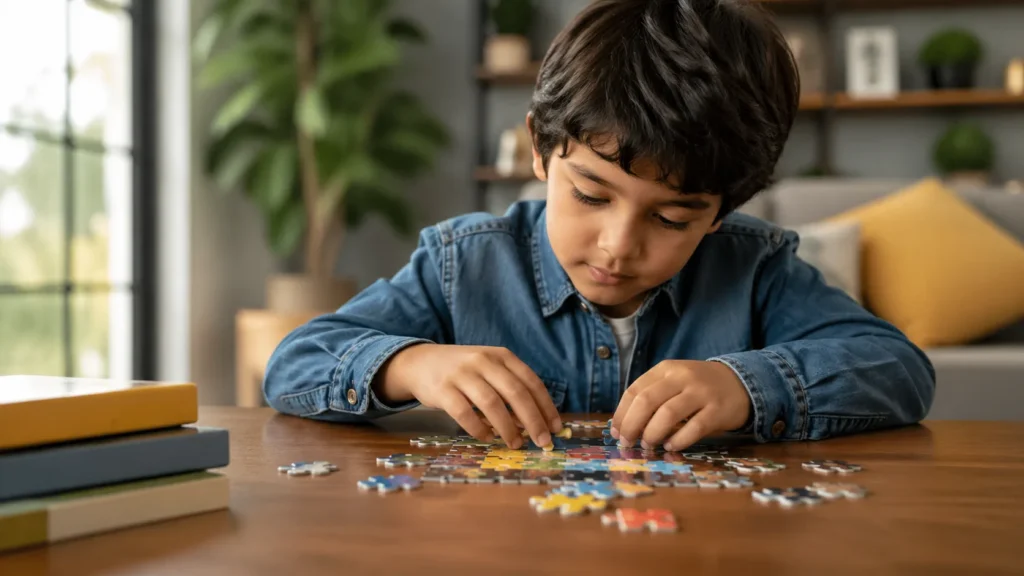
The importance of games for the brain is massive. Games demand that children make decisions, plan ahead, think logically, and solve problems — all essential cognitive skills.
Playing chess, for example, requires thinking several moves ahead. Puzzle games train pattern recognition. Strategy games build critical thinking and decision-making skills.
Games help children develop:
- Memory and concentration
- Problem-solving and critical thinking
- Logical reasoning and decision-making
- Creative and independent thinking
Word games expand vocabulary. Number games sharpen math skills. The best games make children curious — and teach them that effort and persistence overcome any challenge.
3. Social Development
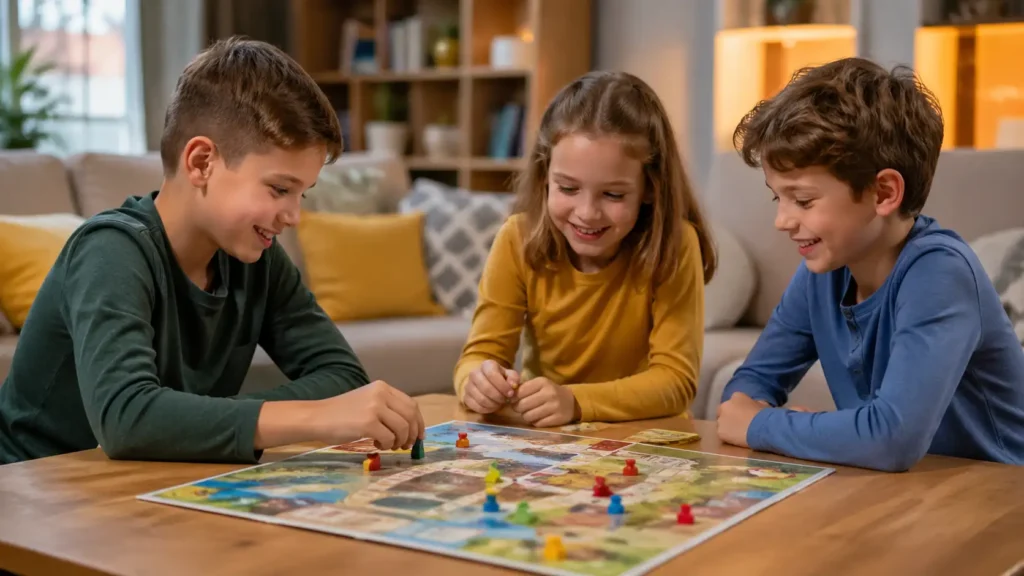
No classroom lesson teaches social skills as effectively as games do. When children play together, they naturally learn how to share, take turns, follow rules, listen to others, and work as a team.
Group games and sports are especially valuable. Children discover that winning isn’t everything — how you play, how you treat teammates, and how you handle defeat all matter just as much.
A child who plays football learns to pass the ball and trust teammates. A child who plays a board game learns patience waiting for their turn. These real experiences shape the social confidence children carry for life.
4. Emotional Development
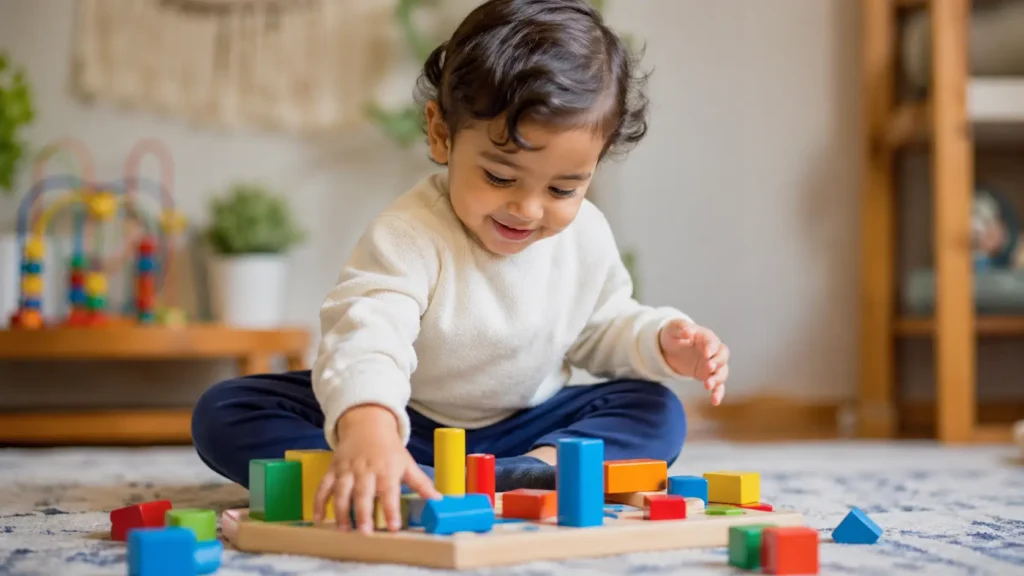
Games expose children to a full range of emotions — joy, excitement, frustration, disappointment, and pride. Learning to handle all of these feelings is one of the most important gifts of play.
When a child loses, they learn to handle disappointment gracefully. When they win, they learn humility. When they keep making mistakes, they learn patience and persistence.
Children today face immense pressure from school and schedules. The importance of games for emotional health is that play gives children a safe space to decompress, have fun, and reset their mood naturally.
5. Language and Communication Skills
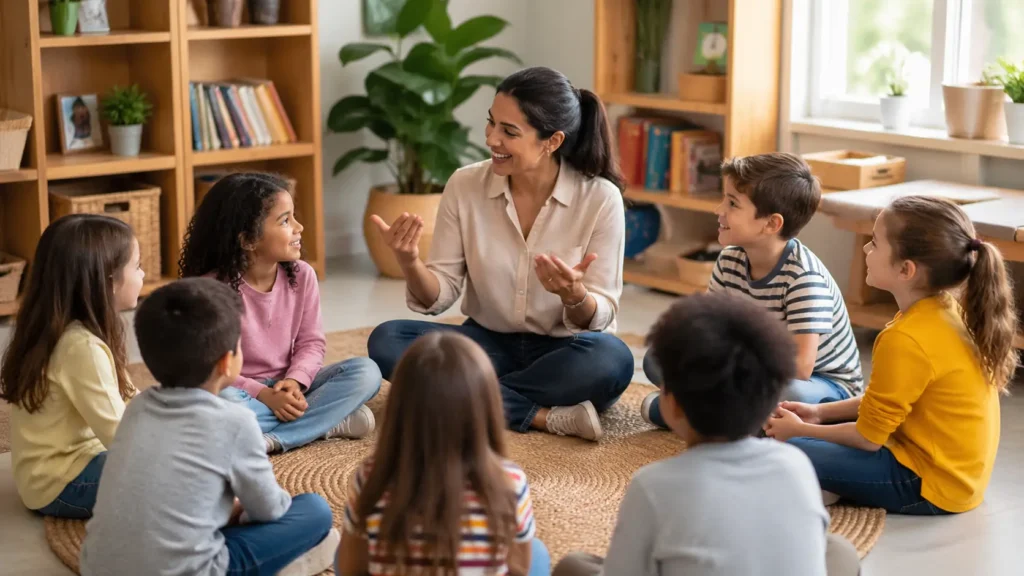
Games naturally push children to talk, listen, explain, and express ideas. Whether playing with friends, family, or classmates, communication happens constantly during play.
Storytelling games develop speaking skills. Word games expand vocabulary. Role-play teaches the art of conversation. Team games train children to listen carefully and follow verbal instructions.
Children who engage regularly in game-based communication develop stronger language skills and feel more confident speaking in school and social situations.
6. Creativity and Imagination
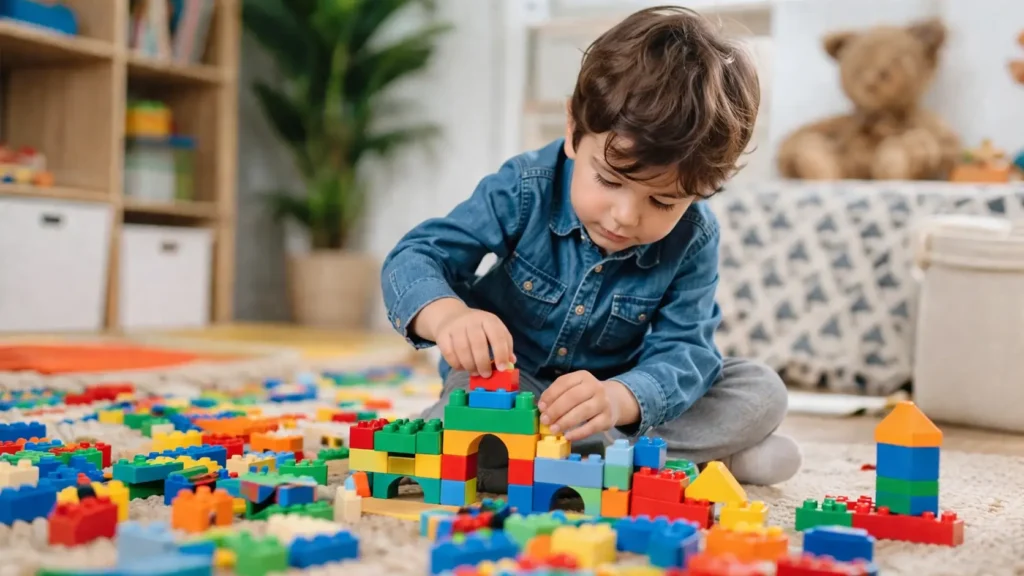
Pretend play, building games, and storytelling unlock a child’s imagination in ways structured learning simply cannot. A cardboard box becomes a spaceship. A few toy figures become characters in an epic adventure.
Creative games help children think independently, explore new ideas, and express themselves freely. These are exactly the skills that separate great thinkers, inventors, and leaders in adulthood.
This is why the importance of games and creativity is recognized by educators worldwide — imaginative play builds the mental flexibility children need to thrive in an unpredictable world.
Also Read: Party Games for Kids
Importance of Games and Sports: What’s the Difference?
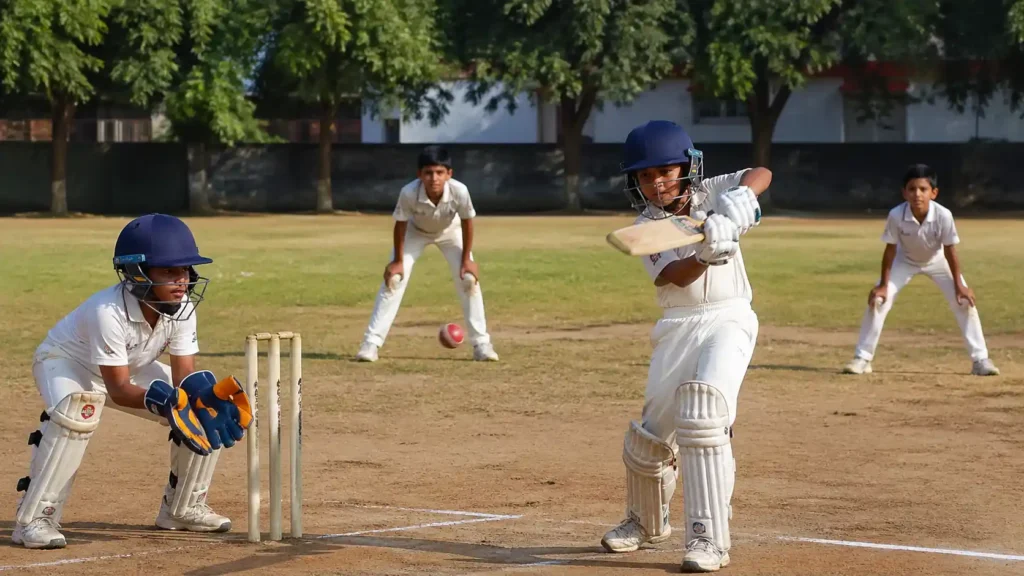
Many people use “games” and “sports” interchangeably, but there’s an important difference. Understanding both helps parents ensure their children get the full benefits of play.
| Games | Sports |
| Can be indoor or outdoor | Usually involve physical activity |
| May be played purely for fun | Often include competition and rules |
| Improve mental skills primarily | Improve both physical and mental skills |
| Examples: chess, puzzles, board games, ludo | Examples: football, cricket, badminton, basketball |
The importance of games and sports together gives children a complete developmental experience. Games build thinking and creativity. Sports build strength, fitness, and team spirit. Every child should enjoy a healthy mix of both.
Also Read: Games to Play in Office
Types of Games and Their Unique Importance
Indoor Games
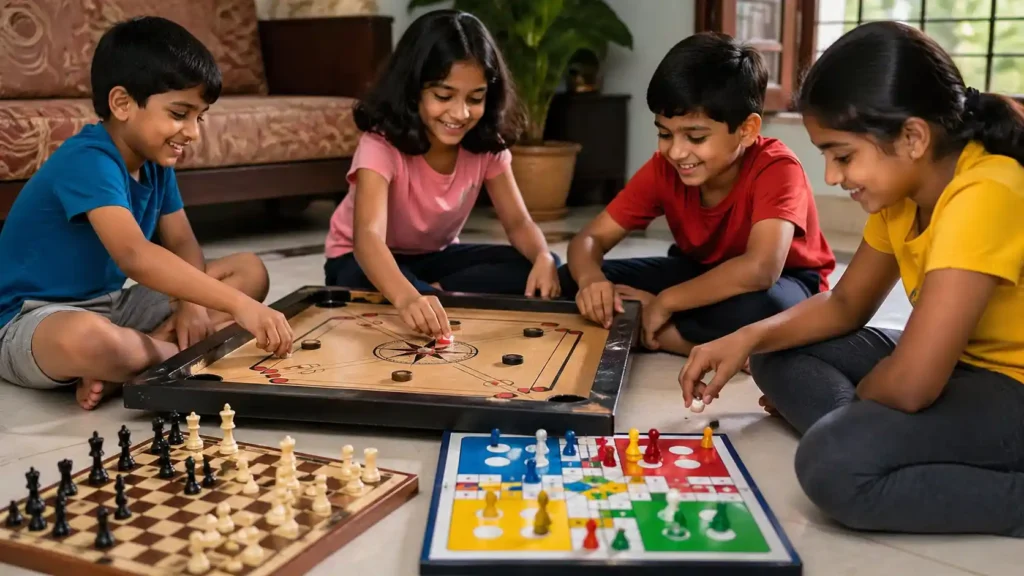
Indoor games are played at home, in classrooms, or inside during bad weather. They include chess, carrom, ludo, puzzles, building blocks, memory card games, and more.
The importance of indoor games lies in their ability to boost concentration, memory, and strategic thinking. They are also perfect for family bonding — parents and children playing together create memories that last a lifetime.
Also Read: Birthday Party Games for Kids
Outdoor Games
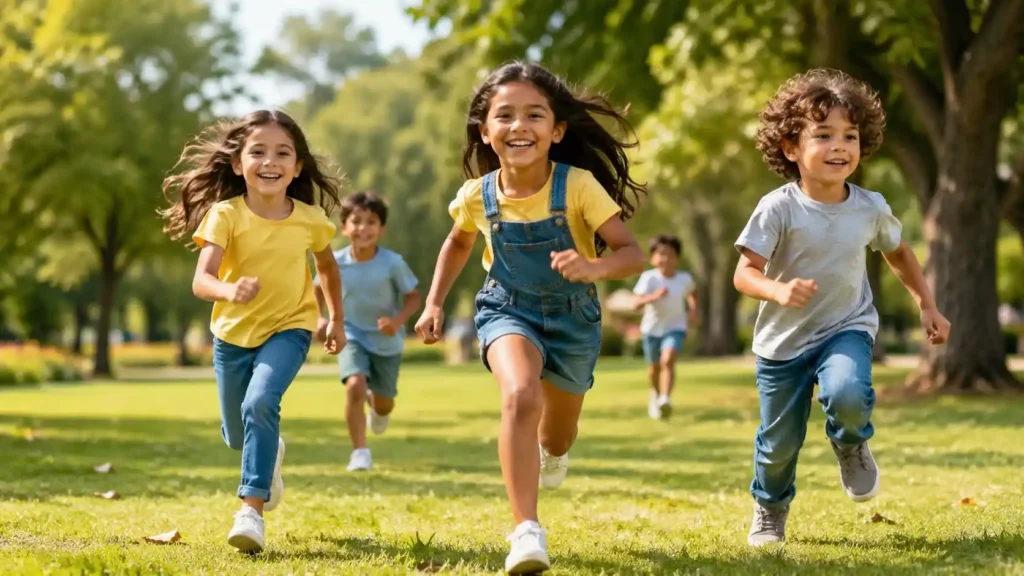
Outdoor games are played in open spaces — playgrounds, parks, and fields. Football, cricket, basketball, badminton, running races, cycling, tag, and skipping all fall into this category.
The importance of outdoor games is their ability to keep children physically active while also exposing them to fresh air, sunlight, and nature. Children who play outdoors regularly are healthier, more independent, and more adventurous.
Most child health experts recommend at least one hour of outdoor play every single day.
Also Read: List of Indoor Games
Chocolate-Covered Broccoli: Making Learning Feel Like Play
Parents know how hard it is to get children interested in educational activities. That’s where the “chocolate-covered broccoli” concept comes in — making learning so enjoyable that children don’t even realize they’re being educated.
The importance of games in education is exactly this: games disguise learning as fun. A child counting spaces on a board game is doing math. A child solving a puzzle is developing logic. A child on a treasure hunt is sharpening observation and critical thinking.
The best games serve a dual purpose — they entertain AND educate. Parents and teachers who understand the importance of games in learning can harness this power to make education genuinely exciting for children.
Also Read: Importance of Sports and Games
Conclusion
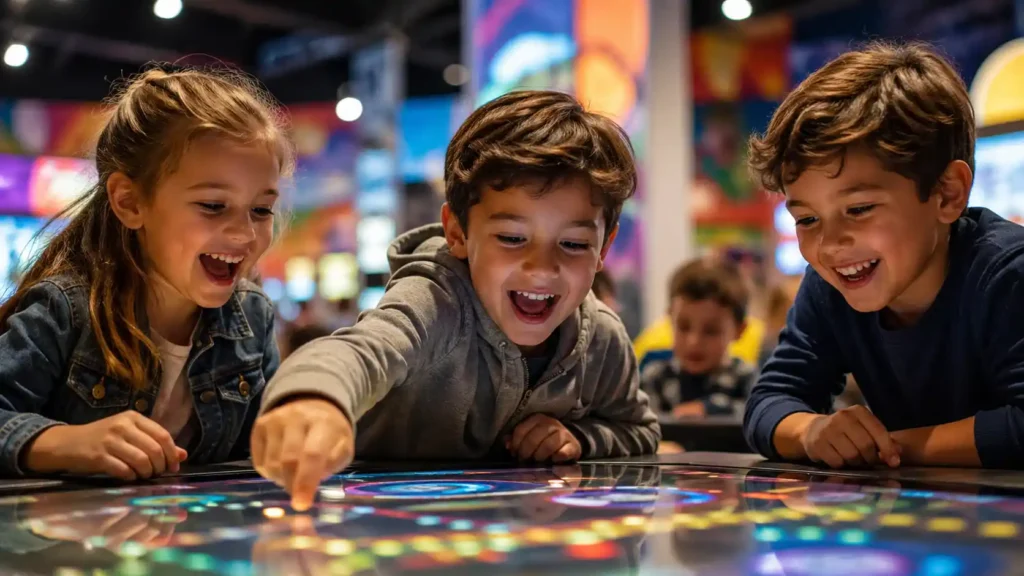
The importance of games in childhood is real, proven, and profound. Games make children stronger, smarter, happier, and more confident. They teach what no classroom can — resilience, empathy, creativity, and the joy of trying again after failure.
Whether indoor or outdoor, physical or mental, competitive or casual — games are one of the greatest gifts you can give a child. Encourage daily play. Celebrate it. A child who plays freely today grows into a healthier, more confident adult tomorrow.
Explore games designed for every child at Taki Taki Games 🎮
Also Read: 10 Traditional Games of India
Frequently Asked Questions About Importance of Games
What is the importance of games for children?
The importance of games for children is enormous — games build physical health, sharpen thinking skills, develop social confidence, and support emotional well-being. They are one of the most effective tools for all-round child development.
What is the importance of games in our life?
The importance of games in our life spans every age. For children, games build essential life skills. For adults, games provide stress relief, mental stimulation, and social connection. Games make us healthier, happier, and more adaptable people.
What is the importance of games and sports?
The importance of games and sports together gives children a complete developmental experience. Games sharpen thinking and creativity, while sports build physical strength, discipline, and teamwork. Both are essential for balanced growth.
Why is the importance of outdoor games so emphasized?
The importance of outdoor games is their role in keeping children physically active and healthy. Outdoor play builds strong muscles, improves coordination, exposes children to fresh air, and reduces the harmful effects of too much screen time.
How do games help in child development?
Games help in child development by stimulating all six key areas: physical growth, cognitive skills, social abilities, emotional intelligence, language development, and creativity. Each type of game contributes uniquely to a child’s overall growth.
How many times a day should children play games?
Most child health experts, including the WHO and pediatric associations, recommend at least 60 minutes of active play per day for children. A healthy mix of indoor games (for thinking) and outdoor games (for physical health) is ideal.